Older and Historic Home Renovation in the Central Highlands
Older houses were built well in ways we forgot, and poorly in ways we now know how to fix. Keep the cornices, timber floors and room proportions while we make the house warmer, quieter and easier to heat through a Ballarat winter.
Start with the building, not the demolition. That is how we protect its character.
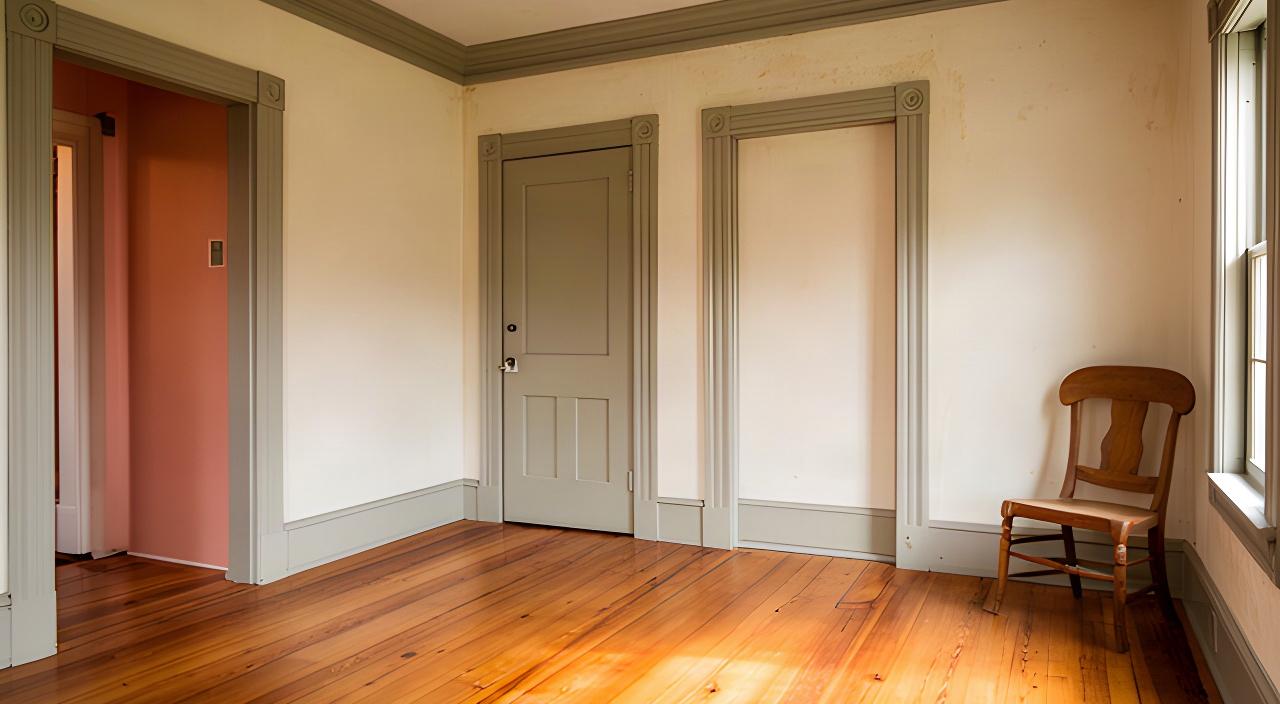
Keep What Makes It Yours
Before a room changes, we record what should stay and what needs repair. Some pieces can be saved; others need a careful match.
Details matter here.
Salvage first. Replace with care.
We note original architrave and skirting profiles, door sizes, hardware and built-ins room by room before work starts. A split architrave or sticking door may need a local repair, not a new one. When a piece is too damaged to keep, we match its dimensions and profile so the replacement sits naturally beside the old work. The same rule applies to floors: sand back sound Baltic pine or hardwood and patch in matching boards where wear has gone too far.
Timber floors worth saving
Check board thickness and past sanding before deciding to replace.
Plaster repair
Secure loose keys and patch locally when the surrounding wall is sound.
Built-ins and hardware
Keep useful original storage and repair hardware that still fits the home.
Warmth, Quiet and Lower Bills
Older wall assemblies need a moisture-aware plan. We look at draughts and water paths before choosing insulation or new heating equipment.
Order is the difference.
Seal the roof space and floor edges
Check gaps around downlights, chimneys, wall vents, skirtings and floorboards. Sealing those draughts often comes before adding insulation.
Insulate only after moisture checks
Inspect for leaks, damp materials and drying paths. Choose an approach that does not trap moisture inside an older wall.
Repair windows before replacing them all
We compare sash repair, secondary glazing and selective double-glazed replacement, especially on windows exposed to wind and rain.
Size a reverse-cycle system for the house
Review insulation, duct routes and existing gas ducted or space heating before planning a reverse-cycle heat pump upgrade.
What You Find When the Plaster Comes Down
Opening an old assembly can uncover work that was hidden for decades. We document the finding, explain the repair and confirm its cost before work continues.
No surprise gets buried.
Old wiring and an outdated switchboard
We pause work in the affected area, have a licensed electrician assess the scope and show you the proposed correction and price before closing the wall.
Sagging joists or notched framing
We trace the load path and identify a repair that addresses the cause. Structural work is priced and approved before finish repairs begin.
Stump or footing movement
On older Ballarat-area houses, timber stumps can rot or settle. We look for movement patterns and related floor changes before recommending restumping or another repair. The scope is based on what the inspection shows.
Unvented bath fans and damp cavities
We route moisture outdoors and check affected materials. Insulation and wall finishes wait until the source of dampness is addressed.
Materials That Look Right in an Old House
Matching the scale and finish usually matters more than chasing a perfect catalogue match. Hover or focus a swatch to see where it fits.
Keep the details honest.
Small-format tile
Smaller tile and restrained grout lines suit compact baths and older entry floors.
Wood that meets the existing floor
Match species and board scale first; test stain on the actual floor before choosing a finish.
Paint suited to plaster and trim
Use a finish that works with the wall condition and keeps detailed trim readable.
Modern materials with staying power
Choose surfaces for repairability and wear, not a short-lived pattern or finish.
Sequencing Work in a House That Has Opinions
Old homes tell you what they need as you open them up. The plan should leave room to respond without undoing finished work.
One step at a time.
-
01
Assess the house, test for asbestos and moisture
Record existing features, test suspect materials for asbestos, inspect problem areas and check moisture before choosing insulation.
-
02
Repair structure and services
Address framing, wiring, plumbing and heating needs before installing new finishes.
-
03
Coordinate the envelope and windows
Sequence draught sealing, insulation, weather protection and window decisions as one plan.
-
04
Restore the rooms and their details
Repair plaster, match trim and refinish floors after the dusty work is complete.
Let's Keep the Character and Fix the Comfort
Tell us the home's approximate age, room count and biggest comfort complaint. We work carefully around occupied homes and talk through findings before the scope changes.
Have an inspection report? Call and tell us what it says.