A practical guide for Central Highlands homeowners
Renovation costs, budgets and planning for a real-life number
The renovation that strains a household budget is often the one where the scope grew and nobody wrote it down. Get a grounded view of Ballarat renovation costs, what a modest budget can cover, and how to keep changes in check.
See what moves the budgetA clear scope makes a useful starting point, even before the first material is chosen.
Start with the work, not the finish
The cost drivers, ranked
These are relative budget pressures, not a quote or a price promise. Labour and materials shift with room condition, access, finish choices, and what the crew finds after opening a wall.
1. Moving plumbing
Keep fixtures near existing supply and drain lines when the layout allows it.
2. Changing the layout
Wall removal can add structural review, temporary support, and finish repairs.
3. Hidden damage
Water damage or outdated wiring may only show up after demolition begins.
4. Labour and access
A tight work area or difficult material delivery can add setup time.
5. Finish upgrades
A small finish change may be manageable; replacing several selections can add up.
In a straightforward room refresh, labour often takes the larger share of the total. A planning conversation should separate labour, materials, disposal (including any asbestos removal), permits when needed, GST, and a contingency instead of hiding them in one headline figure.
Plan for the next stage now
Do it in two stages without doing it twice
Phasing works when the first stage prepares the house for the second. Leave the right connections and decisions in place, and you can pause without tearing out finished work later.
01
Stage one: behind the finish
Handle wiring, plumbing routes, repairs, and any work that would require opening a finished surface.
02
Pause: protect the house
Leave safe capped services, a usable room, and a written list of remaining decisions.
03
Stage two: visible finishes
Install selected surfaces and fixtures after the remaining budget and schedule are ready.
Put the stage boundary in writing. Record what is complete, what is protected, and what remains open. That note helps the next crew pick up the work without guessing.
Material choices can wait when they do not affect rough-in dimensions. For a one-bathroom home, plan the work sequence and temporary access before demolition starts. A livable pause is part of the scope.
Leave a short record for the next owner, too. It should name the work completed and any selections still pending.
Under $20,000 can cover a focused job when the existing layout is sound and the scope stays put. These sample allocations show the kind of choices that keep a project bounded; actual pricing depends on an on-site review.
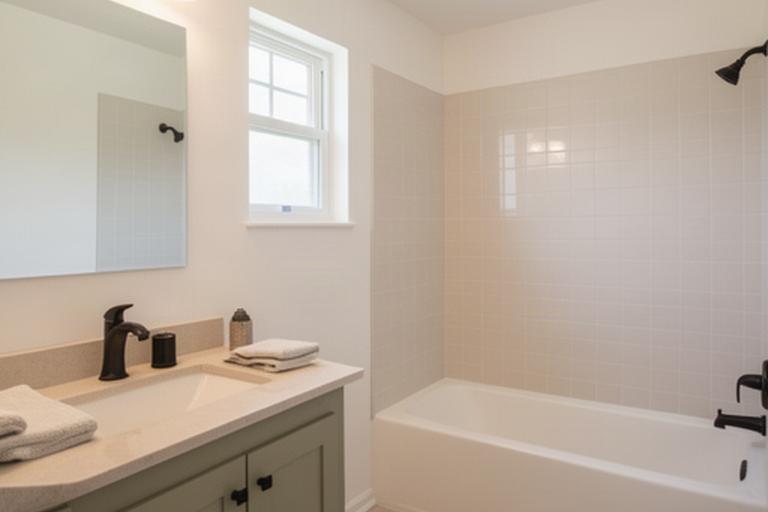
Worked example · bathroom
A targeted bathroom refresh
Illustrative planning total: $18,600
A sample allocation sets aside $7,200 for labour, $4,100 for bath-surround tiling, waterproofing and floor materials, $2,200 for a vanity and top, $1,600 for plumbing and electrical allowances, and $3,500 for preparation, disposal, and contingency. Keeping the bath and fixture locations avoids a larger plumbing and tile scope.
Excluded: moving the toilet, replacing a rotted subfloor, and custom glass. Those items need separate review before the number is treated as workable.
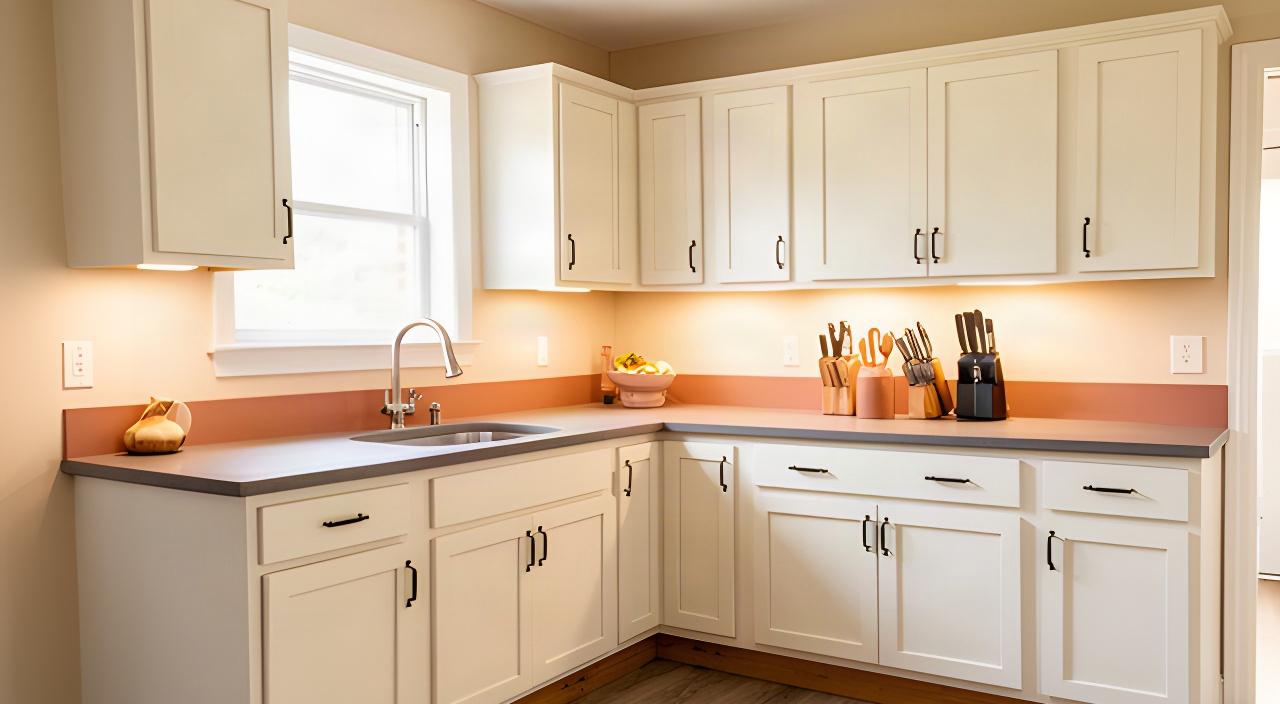
Kitchen · cosmetic scope
Refresh the surfaces
Sample budget: $12,500 for cabinet paint, hardware, a durable benchtop allowance, and a new sink while keeping the layout.
Excluded: new cabinets, appliance changes, and wall removal.
Floors · selected rooms
Replace worn flooring
Sample budget: $9,500 for about 60 square metres of basic flooring, removal, and installation, subject to subfloor condition.
Excluded: stair work, major leveling, and moving heavy built-ins.
Exterior · repair first
Protect the vulnerable spots
Sample budget: $6,800 for localised weatherboard repairs, trim preparation, and paint on a limited elevation.
Excluded: full-house repainting and concealed structural repairs.
Paint · focused rooms
Reset a few rooms
Sample budget: $4,800 for surface preparation and repainting two bedrooms and a hall.
Excluded: plaster repair beyond minor patching and trim replacement.
Write it down before work starts
Five ways budgets blow up, and the fix for each
Most overruns start with a decision nobody priced or a condition nobody could see yet. Open each item for the practical habit that keeps it from quietly becoming part of the job.
construction
Hidden damage appears after demolition
add
Set a written contingency before work begins. If a bathroom wall reveals damaged framing, pause, photograph it, price the repair, and approve the change before the crew continues.
edit_note
Changes happen mid-build
add
Use a written variation for every owner-requested change. It should name the new work, the added or removed cost, and the schedule effect before anyone starts it.
palette
Material upgrades arrive after pricing
add
Set a realistic prime cost (PC) allowance for each selection early. If a tile selection costs more than the allowance, record the difference before ordering rather than hoping another line will absorb it.
event_busy
A schedule slip creates extra costs
add
Confirm delivery dates and decision deadlines before booking the next trade. A late fixture can leave a room unusable or require a return visit, so agree on a plan for delays.
receipt_long
Small allowances are missing from the estimate
add
Check that disposal, protection, delivery, preparation, and finish repairs have a place in the written scope. If an item is excluded, decide who will handle it before the job starts.
Start with the number you have
Bring us your number and your room
Share your budget range, the room, and your rough timeline. If the scope and budget do not match, Thompson Renovate Group will say so plainly and help identify what could be staged or narrowed.
For Ballarat renovation costs, a clear first conversation beats guessing from a headline price.